
Learning to play the piano is an enriching experience that brings joy, discipline, and creativity. For many students in Austin, choosing between classical and modern approaches to piano instruction can be challenging. Whether you are a beginner or an advanced learner, understanding the differences between classical and modern piano lessons can help you make the best decision.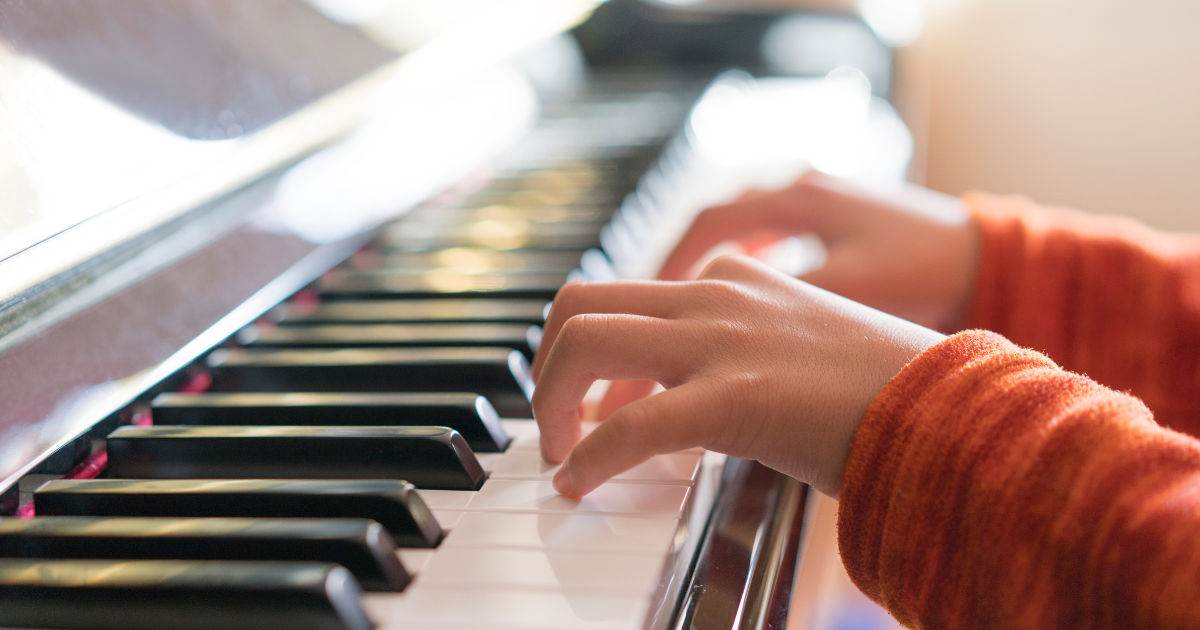
This comprehensive guide explores every aspect of Private piano lessons Austin, comparing traditional and contemporary teaching styles, and helping you decide which path suits your musical goals.
Private Piano Lessons in Austin
Austin has a vibrant music scene, offering an array of opportunities for students to develop their skills. Private piano lessons Austin provide personalized instruction, allowing students to progress at their own pace. Unlike group lessons, private instruction focuses on the individual, enabling teachers to tailor exercises, repertoire, and techniques to the student’s needs.
Private lessons are ideal for students who want one-on-one attention, whether they are preparing for exams, performances, or simply learning for personal enjoyment. These lessons are offered in various styles, predominantly classical and modern, each with distinct approaches to music education.
What Are Classical Piano Lessons?
Classical piano lessons focus on traditional music education. They emphasize the study of established compositions, music theory, technique, and disciplined practice routines. Students typically learn works by composers such as Bach, Beethoven, Mozart, Chopin, and Debussy.
Key Features of Classical Piano Lessons
-
Structured Curriculum: Classical lessons follow a clear, progressive path. Students start with fundamental skills and gradually tackle complex compositions.
-
Music Theory Focus: Understanding scales, chords, harmony, and rhythm is essential in classical training. Students learn to read sheet music fluently.
-
Technical Mastery: Exercises like scales, arpeggios, and Hanon studies develop finger strength, agility, and precision.
-
Historical Context: Classical training often includes learning about the history of composers and styles, deepening the student’s appreciation for the music.
Benefits of Classical Piano Lessons
-
Develops a strong foundation in technique.
-
Improves sight-reading and music literacy.
-
Encourages discipline and structured practice habits.
-
Builds versatility for performing a wide range of traditional repertoire.
Challenges of Classical Piano Lessons
-
Can feel rigid and less creative for some students.
-
Progress may be slow due to the emphasis on mastery.
-
Heavy focus on sheet music may discourage improvisation.
What Are Modern Piano Lessons?
Modern piano lessons, sometimes called contemporary or popular music lessons, focus on current music styles such as pop, jazz, rock, and blues. Modern lessons emphasize playing by ear, improvisation, and understanding chords rather than strictly reading sheet music.
Key Features of Modern Piano Lessons
-
Flexible Curriculum: Modern lessons often adapt to the student’s musical interests, allowing them to learn songs they enjoy.
-
Ear Training: Students develop the ability to play music by listening, which enhances improvisation and creativity.
-
Chord and Harmony Knowledge: Modern piano education emphasizes chord structures, progressions, and accompaniment techniques.
-
Technology Integration: Many modern lessons incorporate digital tools, music software, and online resources to enhance learning.
Benefits of Modern Piano Lessons
-
Encourages creativity and self-expression.
-
Makes learning fun and engaging for students.
-
Prepares students for contemporary music performance.
-
Supports improvisation and composition skills.
Challenges of Modern Piano Lessons
-
Less emphasis on technical mastery and classical technique.
-
Students may struggle with reading sheet music or traditional theory.
-
Progress may lack the structured discipline of classical training.
Comparing Classical and Modern Lessons
When considering Private piano lessons Austin, it’s essential to compare classical and modern approaches to see which fits your goals and personality.
Teaching Style
-
Classical Lessons: Highly structured, emphasizing repetition and perfection.
-
Modern Lessons: Flexible, encouraging experimentation and creativity.
Repertoire
-
Classical Lessons: Bach, Beethoven, Chopin, Mozart, Debussy.
-
Modern Lessons: Pop songs, jazz standards, blues, film music, contemporary compositions.
Technique vs. Creativity
-
Classical Lessons: Focus on finger technique, posture, and reading music.
-
Modern Lessons: Focus on improvisation, chord progressions, and musical expression.
Learning Pace
-
Classical Lessons: Progress is steady but slower due to rigorous standards.
-
Modern Lessons: Students may learn songs quickly but might miss technical depth.
Performance Opportunities
-
Classical Lessons: Typically involve recitals, competitions, and formal performances.
-
Modern Lessons: Opportunities include gigs, informal performances, and collaborations.
Choosing the Right Private Piano Lessons in Austin
Selecting the right style depends on several factors, including your goals, learning preferences, and interests.
Assess Your Goals
Ask yourself why you want to learn the piano. Do you aspire to perform classical masterpieces, or are you drawn to modern music styles? Your long-term goals will guide your decision.
Consider Your Learning Style
-
Discipline vs. Creativity: If you thrive in structured environments, classical lessons may suit you. If you prefer exploration, modern lessons might be better.
-
Reading vs. Playing by Ear: Classical lessons require reading sheet music, while modern lessons allow more ear-based learning.
Instructor Expertise
When looking for Private piano lessons Austin, consider the teacher’s experience in both styles. Some instructors specialize in classical training, while others are adept at modern and contemporary music.
Hybrid Approach
Many students benefit from a combination of both classical and modern lessons. Classical training develops technique and theory, while modern lessons encourage creativity and improvisation.
The Importance of Personalized Instruction
Private lessons in Austin offer a level of personalization that group classes cannot. Instructors can:
-
Tailor exercises to the student’s strengths and weaknesses.
-
Adjust lesson plans based on progress.
-
Provide feedback on performance and technique.
-
Help students set realistic goals and maintain motivation.
Benefits of Learning Piano in Austin
Austin is a music-centric city, providing a supportive environment for piano students.
-
Access to Live Music: Students can attend concerts, recitals, and festivals.
-
Community Support: Music communities and clubs offer collaboration and networking opportunities.
-
Professional Growth: Opportunities for private teaching, performances, and studio work.
Tools and Resources for Piano Students
Regardless of whether you choose classical or modern lessons, the following tools can enhance learning:
-
Digital Keyboards and Pianos: Useful for practice at home and integrating technology.
-
Music Software: Programs like Synthesia, GarageBand, and Finale help with learning and composition.
-
Sheet Music Libraries: Essential for classical students; chord charts for modern learners.
-
Online Tutorials: Supplement private lessons with video tutorials and apps.
-
Metronomes and Tuners: Critical for developing timing and accuracy.
Preparing for Private Piano Lessons
To maximize the benefits of Private piano lessons Austin, students should:
-
Practice regularly, even outside lessons.
-
Maintain proper posture and hand technique.
-
Set specific goals for each session.
-
Listen to recordings of both classical and modern music.
-
Stay open to feedback and constructive criticism.
Common Misconceptions About Piano Lessons
Classical Lessons Are Boring
While some believe classical lessons are rigid, they offer deep musical understanding and technical mastery that forms a foundation for any style.
Modern Lessons Lack Discipline
Modern lessons require creativity and self-motivation. Successful modern pianists need strong ear skills and improvisation abilities, which demand consistent practice.
You Must Choose One Style
Many instructors offer blended lessons that incorporate classical technique with modern repertoire. This approach provides the best of both worlds.
How to Find the Best Private Piano Lessons in Austin
Finding the right instructor is crucial. Consider the following:
-
Credentials: Look for teachers with formal training and performance experience.
-
Student Reviews: Feedback from other students can indicate teaching quality.
-
Trial Lessons: Many instructors offer trial sessions to see if their style suits you.
-
Location and Schedule: Choose lessons convenient to your home or school.
-
Cost: Prices vary; consider value and experience rather than cost alone.
Success Stories from Austin Students
Many students in Austin have thrived under private piano instruction. Classical students have gone on to perform in recitals and competitions. Modern students have joined bands, composed original music, and performed at local venues. These successes highlight the benefits of personalized instruction and the vibrant musical environment in Austin.
Maintaining Motivation and Consistency
Consistency is key to progress. Tips for staying motivated:
-
Set achievable short-term and long-term goals.
-
Track your progress with recordings and performance notes.
-
Join local music groups or online communities for support.
-
Reward yourself for milestones, such as learning a difficult piece.
The Future of Piano Education in Austin
With evolving teaching methods and technology, piano education in Austin continues to grow. Hybrid lessons, digital tools, and personalized instruction ensure that students can enjoy both classical and modern approaches. The city’s thriving music culture supports lifelong learning and artistic development.
Conclusion
Choosing between classical and modern piano instruction is a personal decision. Classical lessons emphasize technical mastery, structured learning, and traditional repertoire. Modern lessons prioritize creativity, improvisation, and contemporary music styles. Both approaches have unique advantages and challenges.
For students in Austin, Private piano lessons Austin offer a personalized learning experience that can be tailored to your goals, learning style, and musical interests. Many students find a hybrid approach beneficial, combining classical technique with modern creativity.
Whether your goal is to master Beethoven’s sonatas, improvise jazz tunes, or play your favorite pop songs, Austin’s private piano instructors can guide you on your musical journey. Investing in private lessons ensures one-on-one attention, consistent progress, and a rewarding experience that nurtures both skill and passion.
By understanding the differences and benefits of classical and modern lessons, you can make an informed decision and embark on a musical journey that enriches your life for years to come.